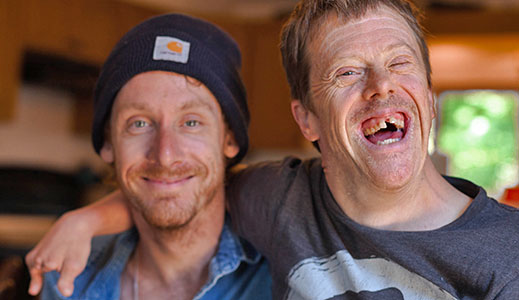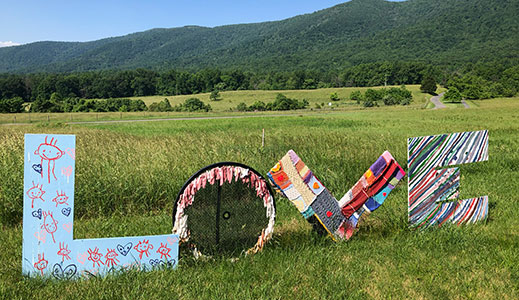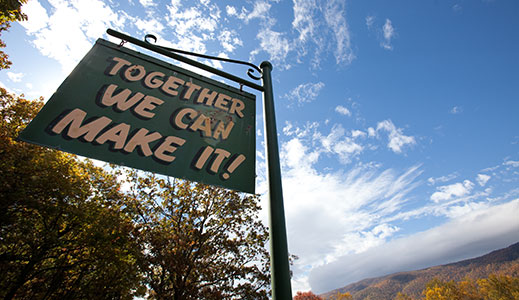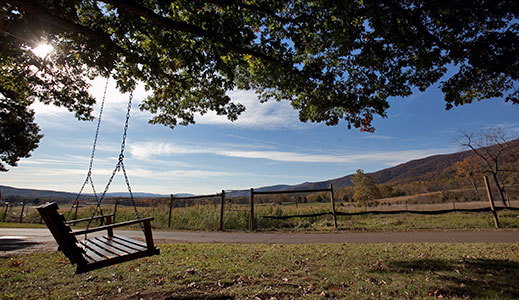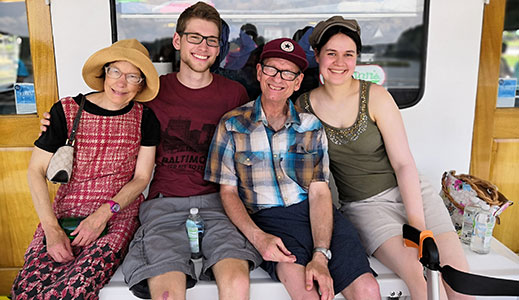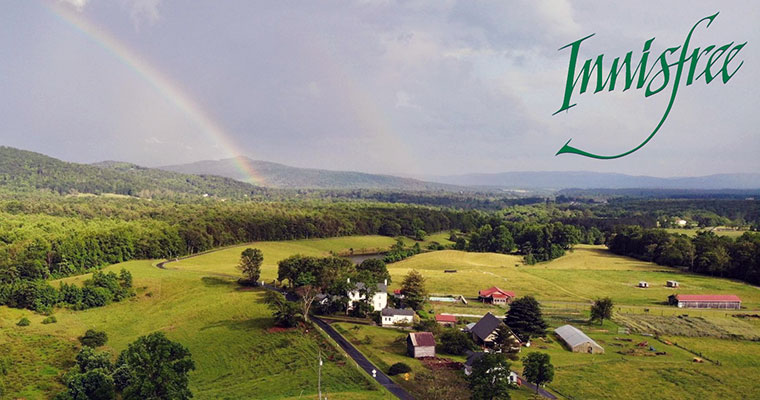
Engage in a year of meaningful service, foster genuine relationships and experience the joys and challenges of lifesharing in a therapeutic community!Set in the foothills of the Blue Ridge Mountains, near Charlottesville, Virginia, Innisfree Village is a residential, lifesharing community with adults with intellectual disabilities. Residents (known as coworkers in the village), volunteers, and staff live, work, and play together on a 550-acre therapeutic farm emphasizing empowerment, interdependence, and mutual respect of all community members. At the heart of the Innisfree experience is lifesharing among over 80 coworkers, residential volunteers, and long-term staff. Lifesharing at Innisfree means that coworkers and volunteers live, work, and play together, sharing the joys, sorrows, satisfactions, and frustrations of everyday living. In this close-knit environment, everyone learns from each other, and community members can develop profound, lifelong relationships.
|
 Founded in 1971, a group of parents who were searching for a progressive alternative to institutional care for their growing children with intellectual disabilities, envisioned a place where they would share their lives with their caregivers and would be considered family members. Now, after more than 50 years, Innisfree strives to be a model therapeutic community where individuals with and without disabilities can contribute and explore in a meaningful and challenging life. Innisfree is dedicated to building and fostering an environment of beauty, warmth, and respectfulness to all.
| What You'll be Doing | People from all over the world come to Innisfree Village to share their time and talents. Get to know current Innisfree Village volunteers and staff and the experiences that make their time at Innisfree so special. Residential Volunteers experience the joys and challenges of a lifesharing community, learning to be open to new experiences, expanding their skills, and uncovering new gifts and talents. At the core of the volunteer experience is the building of genuine connections with the coworkers as well as other community members. This fostering of community is what allows each individual to develop genuine relationships and promote an environment of inclusion and acceptance. Residential Volunteers live together with coworkers in family-style homes throughout the village, providing support for the daily care, health, and emotional needs of each coworker. While some coworkers are more independent, some need more support with personal hygiene and other medical care needs.
|
||
| Are YOU the Right Fit? |
A lifesharing experience with Innisfree Village gives individuals unique experiences for discovery and growth in these three ways:
The true work of Innisfree is the people-to-people relationships that develop in the course of daily living and community sharing. Life at Innisfree requires patience, a good sense of humor, and a willingness to learn and adapt. Where profound joys and real-life challenges go hand in hand, emotional maturity and health are essential factors for success. Innisfree is seeking individuals who are compassionate, enthusiastic, and committed to a meaningful service experience.
Previous experience working with individuals with disabilities is a plus, but not required. During a volunteer's first month, training is provided in all areas of village life through a combination of structured instruction and hands-on application, with guidance and support along the way from a variety of community members. The orientation period is designed to give volunteers a clear understanding of their roles and responsibilities, while also embracing and utilizing an individual's existing knowledge, skills, abilities, and life experiences in order to create a well-rounded and personalized training and orientation experience. The key to Innisfree's continuing success is the ability to attract and retain dedicated volunteers who combine a concern for people with intellectual disabilities with a desire to contribute their talents to the challenge of creating a community to call home. Working with adults with disabilities can be challenging at times but the rewards of helping another discover personal dignity and self-worth more than compensates for our efforts.
|
||
The Daily Rhythms |
The daily rhythms of Innisfree Village revolve around home life as well as cooperative, therapeutic work, and full engagement in community life and events. Home
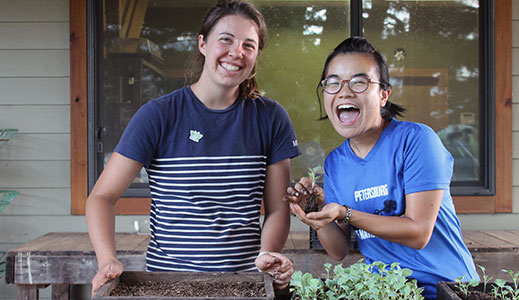
Therapeutic Workstations Crafts from Innisfree's weavery, woodshop, and art studio are sold in select area stores, at craft festivals and Innisfree events throughout the year. The Innisfree bakery makes fresh baked bread each week as well as homemade granola. Organic vegetables, and culinary and medicinal herbs and flowers are used for making herbal teas, and other use in the community and residential houses. The farm and vegetable garden teams are committed to caring for the acres of land they cultivate for both vegetables and animals and subscribe to traditional organic principles and practices. Eggs are even featured in local restaurants & stores and produce is sold seasonally at the local farmers market.
Community When workstations end in the mid-afternoon, community members have the opportunity to participate in fitness activities, music therapy, art therapy, pottery, and a book club. Meanwhile at home, other community members help prepare dinner, learn the challenges of house cleaning or doing their own laundry, and generally become more independent in caring for themselves. At night and on weekends, special events draw out individuals who want to relax and have fun. Among regular events are movie nights, potluck dinners, themed dances, and summer barbecues by the swimming pool. These activities enrich the shared sense of community among all who call Innisfree home. It is often at these gatherings that the joy and wonder of the Innisfree lifestyle is most keenly felt. |
||
Perks & Rewards |
• All meals and accommodations, including a private bedroom in a family-style home with full bath (shared with 1-2 others), kitchen, dining area, living room (with TV & DVD), and laundry room (shared with all house residents), and WiFi access throughout the entire village • A monthly stipend of $800 (for personal expenses) • Health insurance benefits (U.S. volunteers only) • 15 days of paid vacation per year ($75/day for spending money) • 5 days of unpaid vacation per year (3 at Christmas, 1 at Thanksgiving, and 1 at Easter) • 2 consecutive days off each week • Access to onsite fitness facility and community vehicles • Severance pay upon completion of term of service ($65/month of service for first year volunteers) • Support for student loan deferral; financial loan support offered after one year • CPR/first aid certification; training in medical administration and personal care |
||
| Your First Move |
Innisfree accepts Residential Volunteer applications on a monthly basis, taking into consideration current village needs and volunteer openings. To begin the application process, complete part 1 of the online Volunteer Application and send your resume to Julie Freeman-Mullins. If you meet the initial volunteer criteria, you will be notified via email on how to proceed with part 2. Please note that three professional references are required for an application to be eligible for final review. Along with a completed application, a two to three-day onsite visit for those able to travel to Innisfree is highly recommended. This visit includes a tour of Innisfree, meeting community members, getting an inside look at the therapeutic workstations, and being a special guest in one of the residential homes. Visits are not required for potential volunteers coming from abroad.
|
||
Connections |
Julie Freeman-Mullins
|
||
Navigation |

|