Adventure/Nature-Based Therapy Jobs
Field Instructors, Guides & Mentors

Training for prospective Instructors is held the first week of every month.
In this job channel, you'll explore opportunities as outdoor field instructors, wilderness therapy guides, field mentors, adventure therapy support staff, and residential outdoor youth counselors. You'll become a teacher. You'll become a healthy role model. You'll teach outdoor and survival skills. You'll play an essential role in mentoring and guiding youth and teens looking for healthier and higher trails through physically and demanding challenges. Do what you love while providing insight, direction and hope to those who need it! Also check out helping job openings in our Camp Jobs and Meaningful Work channel. |
|

Do you have a love for the outdoors and wish to make a positive impact on youth?
Working with a licensed therapist, Field Instructors teach healthy emotional and behavioral habits while hiking and camping with students in the backcountry of northeastern Utah. Instructors develop clinical qualities unrivaled in nature-based therapeutic care. Shelter building, friction fires, backpacking, mindfulness, simple daily chores, teamwork, relationship skills, problem solving, and life-changing lesson are all taught in the moment. Field Instructors make an initial commitment through seasonal contracts (minimum 3 months) and/or a year-round contract. The work week runs from Tuesday to Tuesday, with an eight-day on, six-day off schedule. In addition to a $1,100 sign-on bonus and limited affordable housing offered, Field Instructors begin earning $180/day for their first three shifts. Pay progresses up to $325/day as Instructor's work on personal and professional development for self-propelled level advancement. Benefits include full health and dental insurance, performance bonuses, and scholarships for professional development. Applicants must be at least 21 years old, have a high school diploma or equivalent, and current CPR/first aid certification (which Second Nature offers for free). Prospective applicants must attend a week-long Orientation Trip scheduled throughout the year. Learn more at Second-Nature.com.
|
• Did you know? Most Second Nature staff live in Salt Lake City or Park City, which puts you within an hour's drive of eight world class ski resorts. Skiing or snowboarding not your thing? The region also offers great hiking, climbing, and mountain biking along with a great live music scene. Imagine living in a world-class vacation destination that you call home! |

 As one of the industry's most sophisticated nature-based therapy programs,
  Get your application in now for the next


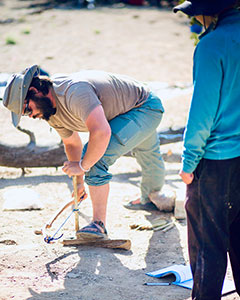
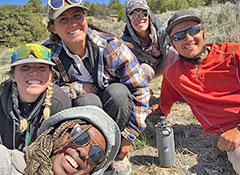

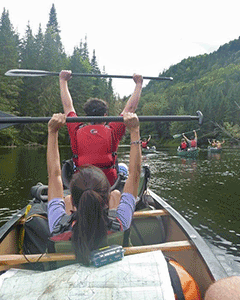
Based on Prince of Wales Island in Southeast Alaska, Passages Alaska is an adventure-based therapeutic program for adolescents in gender specific groups. Wilderness living and nomadic saltwater canoe expeditions are the foundational activities that inspire awe and provide opportunities for self-reflection and personal growth for each participant. Guides have the primary responsibility to facilitate a physically safe, and appropriately challenging experience for participants, teach outdoor skill while living and traveling in the coastal waters via primitive means, and may lead group meditation, teach yoga, prepare a meal, de-escalate an emotional student and manage a black bear encounter—all in the same day! The guide position requires the confidence to manage a challenging situation with the humility to accept that there might be another way. Guides follow a two-week on work shift, followed by 1-2 weeks off to relax, explore, and travel. Pay starts at $250/day, plus meals, off-shift housing, ongoing clinical and professional training, and a supportive and validating organization that values and works to incorporate the individual skills and talents of its members. At minimum, applicants must be U.S./permanent residents, at least 21 years of age, and physically/emotionally capable of spending extended time outdoors, away from cell service & WiFi connectivity, and a mindset of continual learning, regard for others, and resiliency is a must. Fishing, canoe and saltwater experience is a plus. Ideal applicants will have Lead Guide experience and a desire to ply their trade in America's last frontier! If you have a drive for adventure, the ability to manage the unexpected, and the desire to be a healthy influence in the lives of others, fill out the online application; then shoot an email to Sean to connect!
|
• Working as a Field Guide for Passages Alaska is an opportunity to experience a part of the Last Frontier from the seat of a canoe. This beautiful and unique location puts the wonders of Southeast Alaska literally at your doorstep. You will encounter humpback whales, orcas, sea otters, black bears, bald eagles, salmon and halibut — and you will come away with a changed perspective about the world and likely about yourself. |


Gather, Build and Ignite the Spark in Troubled Teens and Young Adults!
Full-time, year-round Field Instructors will lead groups in multi-day hiking expeditions and outings that combine an academic curriculum, primitive living and outdoor skills, volunteer work, and adventure activities (mountain biking, rock climbing, rafting, horseback riding, snow shoeing, cross country skiing, and more!). Compensation includes a competitive wage of $160-$243/day, healthcare/vision/dental benefits, regular work-related trainings and professional development opportunities, BlueFire swag, and pro deals. A 2-week on, 2-week off schedule allows for travel, adventure and fun on your time off. A one-year commitment is preferred; seasonal positions are also available. Applicants must be at least 21 years of age with a high school diploma or GED. While not required, previous experience in backcountry living/travel, winter camping, outdoor adventure activities, and work with youth is preferred. After completing an application, potential Instructor applicants will be invited to participate in a pre-hire seminar. Learn more at BlueFireWilderness.com.
|
• In order to facilitate understanding and growth, BlueFire Wilderness Therapy uses the metaphor of a fire building model: Gather, Build and Ignite. This metaphor applies across all aspects of BlueFire programs. |
 Apply now for an upcoming

Are you ready for a career that's both adventurous and deeply fulfilling?
Why Choose RedCliff Ascent? Apply now as a Field Guide and embark on a rewarding journey where every day is an adventure, and every moment is an opportunity to inspire positive change.
|
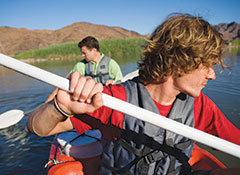
• Few roles are more fulfilling in life than the role of mentor, and few jobs offer the wide range of opportunities that RedCliff offers to its field staff. Hiking, camping, backpacking, beautiful scenery and dynamic interpersonal relationships all come with the job. |

 View all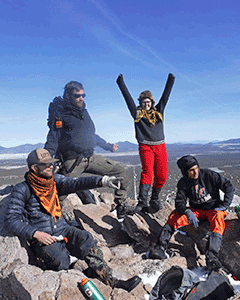
Do you want to be part of the most exciting and fulfilling work you've ever imagined? Join the team at Meramec Adventure Ranch, leave a legacy, and change lives!
Summer Adventure Guides lead small groups of campers through 10 weeks of exhilarating adventure programs. Living in both tents and bunk room accommodations, cooking over a fire, and facilitating the daily camp routine, you’ll use activities like ropes courses, team challenges, climbing, kayaking, aquatic adventures, land navigation, and many other adventures in intentional ways that allow young people to grow, hope, and heal. Summer 2026 positions run from May 17th to August 1st (with a week break over July 4th). Compensation is competitive and based on position and experience, plus all staff receive shared housing and meals when programs are running. Once the summer comes to an end, Adventure Guides have the option to transition into a full-time, year-round Therapeutic Adventure Manager (salaried position with benefits). If you are at least 20, have a calling to serve at-risk youth, disciplined work ethic, willingness to have fun, and passion to grow and help other do the same, check out this exciting life-changing job opportunity.
|
Perks Working at the Ranch: |

 The Ranch is also seeking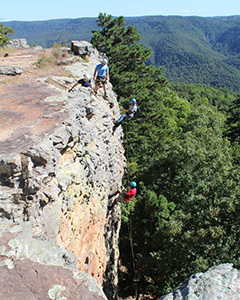
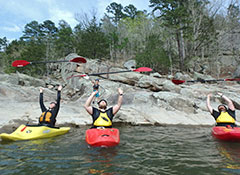
As a Blue Ridge Instructor, you will develop skills in outdoor education, group facilitation, risk management, assertive communication, mindfulness practices and primitive/wilderness skills!
With an 8-day-on/6-day-off schedule, Field Instructors will guide students through a journey of growth—managing safety, leading discussions, teaching backcountry skills, and helping them understand their values and choices. You’ll backpack, bow drill, cook over fires, hold strong boundaries, and support students through breakthroughs. In addition to a $450 stipend after completion of Field Instructor training, pay starts at $150/day and moves upwards with staff development to $215/day. Instructors also receive additional overtime pay, PTO, annual bonuses, gear discounts, health insurance, dog-friendly field shifts, ongoing staff training and professional development, and a supportive community and staff culture. A location halfway between Asheville, NC and Atlanta, GA allows staff to live among the best the Southeast has to offer — vibrant cities and miles of trails, rivers, and views to explore! Applicants must be at least 21 years of age, physically fit, and have a high school diploma or equivalent. Candidates don't necessarily need advanced skills in outdoor education or psychology to be considered, but a love of the outdoors, an empowered attitude, an open mind, and an appreciation of personal growth are all prerequisites. If you demonstrate a track record of leadership and service to others, and are comfortable and confident living in the woods, take a look at Blue Ridge! Training for prospective Instructors is generally held the first week of every month.
|
• Blue Ridge Instructors are outdoor educators, group facilitators, risk managers, excellent communicators, story-tellers, and teachers—the perfect job for someone who wants to make a positive impact on youth while working in a beautiful outdoor setting. |


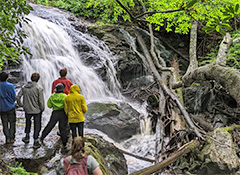
Serving as guides and teachers, Confluence Field Mentors engage and empower young adults in health and wellness through outdoor adventure and farm-based activities.
Confluence is seeking qualified Field Mentors (full-time, non-seasonal) to facilitate a physically and emotionally safe therapeutic experience. Mentor's comprehensively guide participants through social, emotional and physical challenges with the goal of achieving greater emotional awareness, developing positive change, and fostering growth. Additionally, Mentors serve as guides and teachers for outdoor adventure (hiking, camping, xc skiing, snowshoeing, canoeing, rock climbing, team building) and farm-based activities (diet and nutrition, arts and crafts, therapeutic groups, community building, fun and games). Field Mentors work a continuous 8-day/7-night shift consisting of off-site adventure programming and activities on the farm, followed by 6 days off. Compensation starts at $48,650/year with benefits that include a relocation bonus, paid time off, health insurance, pro deals, and fully sponsored training opportunities (WFR, CPR, Lifeguard, Swift Water Rescue, Yoga Instructor, Motivational Interviewing, AEGIS, Mindfulness). If you have a Bachelor's degree, experience in camping and backpacking, and have the desire to join a supportive community dedicated to bettering the lives of young adults, learn more at ConfluenceVT.com.
|
• Confluence balances the benefits of residential care with the healing power of adventure programming. Both participants and staff feel the effects of a community that brings together whole person health and transformative experiences to create an enthusiasm for life. |

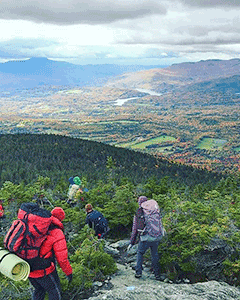
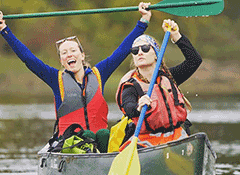
Summit Achievement combines the best features of a wilderness program and special needs boarding school by integrating a residential milieu and traditional academic instruction with outdoor adventure-based therapy. Programming includes Venture (a 6-8 week primary treatment program) and Traverse (a 2-4 month therapeutic boarding school). Using the White Mountain National Forest in Maine and New Hampshire for the majority of their course area, students on expedition master a variety of outdoor living skills, including camp craft, navigational skills and backcountry safety. Field Guides are responsible for providing supervision, guidance, mentorship and instruction to a small group of adolescents with mild to moderate social, emotional and educational challenges. Duties include facilitating activities, group processing sessions, 4-season backcountry expeditions and working as a member of a team fulfilling the duties of a Logistician, Medic or Team Leader. Summer seasonal (May through mid-August) and year-round positions are available, with a varied eight days on and six days off work shift schedule. Guides will have the opportunity to spend 3-5 days on campus, 4 days on expedition, and 2 days out on weekend activities. Compensation starts at $266.59/day, plus staff housing upon availability, health insurance, paid time off that ranges from 1-4 weeks, a 401K with 4% employer match, professional development assistance for classes, conferences and certifications, and pro deal purchases. Applicants must be at least 21 years of age, have a Bachelor’s degree in a relative field, experience working with youth from the ages of 13–20 preferably in an outdoor setting, a knack for building rapport and having fun, an easy-going personality but able to get things done, and most importantly, to be flexible. WFR/WEMT certification is preferred. To apply, email your resume and cover letter (specifying whether you're looking for year-round or seasonal work) to Anson McNulty.
|
• Guides leading adventure experiences with Summit Achievement will take students out of their comfort zone and familiar environments by immersing them in unfamiliar backcountry settings. Through a series of activities that are demanding physically, mentally and emotionally, students quickly learn that old ways of coping are ineffective when pitted against the challenges and consequences of nature. |


• The National Association of Therapeutic Schools and Programs (NATSAP) serves as a national resource for programs and professionals assisting young people beleaguered by emotional and behavioral difficulties. Members include therapeutic schools, residential treatment programs, wilderness programs, outdoor therapeutic programs, young adult programs, and home-based residential programs. |
|

|
Job Channels—Explore Your Options |